Buy wsv.or.at ?
We are moving the project
wsv.or.at .
Are you interested in purchasing the domain
wsv.or.at ?
domain@kv-gmbh.de · 0541-91531010
Buy wsv.or.at ?
How do you calculate the material cost or the material quantity?
To calculate the material cost, you need to multiply the quantity of material needed by its unit price. This will give you the total cost of the material required for a project. To calculate the material quantity, you need to determine the dimensions or specifications of the project and then calculate the amount of material needed based on those measurements. This can be done by using formulas, blueprints, or industry standards to accurately estimate the quantity of material required. **
How do you calculate the material price or the material quantity?
To calculate the material price, you multiply the cost per unit of material by the quantity of material used. This will give you the total cost of the material. To calculate the material quantity, you divide the total cost of the material by the cost per unit of material. This will give you the quantity of material used. These calculations are essential for determining the cost of materials in a project or production process. **

Similar search terms for Material
Top-Angebote
Products related to Material:


-
'Steel pipe or solid material?'
The choice between steel pipe and solid material depends on the specific application and requirements. Steel pipe is often used for conveying fluids and gases, as it is lighter and more cost-effective than solid material. On the other hand, solid material may be preferred for structural applications where strength and rigidity are crucial. It is important to consider factors such as load-bearing capacity, corrosion resistance, and cost when deciding between steel pipe and solid material for a particular project. **
-
Is there an indestructible material or is every material doomed to perish?
While there is no material that is truly indestructible, some materials are more resistant to degradation than others. Over time, all materials will degrade or break down due to various factors such as exposure to environmental conditions, chemical reactions, or physical stress. However, through proper maintenance and care, the lifespan of materials can be extended significantly. Ultimately, all materials are subject to some form of decay or degradation, but the rate at which this occurs can vary greatly depending on the material and its environment. **
-
Which material do you prefer for a necklace: gold or another material?
I prefer gold for a necklace because of its timeless and classic appeal. Gold has a luxurious and elegant look that can elevate any outfit. It is also durable and does not tarnish easily, making it a long-lasting investment. Additionally, gold complements a wide range of skin tones, making it a versatile choice for jewelry. **
-
What is AMV material or videos?
AMV stands for Anime Music Video, which is a fan-made video that combines clips from anime shows or movies with music. The creator of an AMV selects specific scenes from anime and synchronizes them with a chosen song to create a new visual and auditory experience. AMVs are often shared online and are a popular form of fan expression within the anime community. **


What is the definition of material and post-material?
Material refers to things that are tangible, physical, and related to basic needs such as food, shelter, and safety. Post-material, on the other hand, refers to values and concerns that go beyond basic needs and focus on issues such as self-expression, quality of life, and environmental sustainability. Post-material values are often associated with higher levels of economic development and education, as people's basic needs are met and they can focus on more abstract and aspirational goals. **
How do you calculate the price of the material or the quantity of material?
To calculate the price of a material, you typically multiply the cost per unit of material by the quantity needed. For example, if the cost of one unit of material is $5 and you need 10 units, the total price would be $5 x 10 = $50. To calculate the quantity of material needed, you would divide the total area or volume to be covered by the area or volume that one unit of material can cover. This will give you the total quantity required to complete the project. **
Top-Angebote
Products related to Material:
-
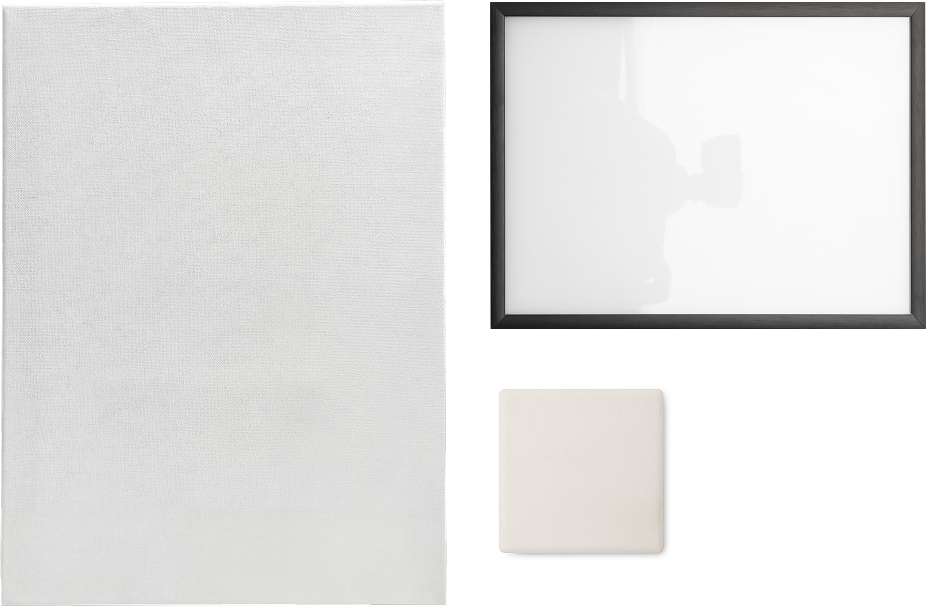
eufyMake Deluxe Material Kit55-piece creative set (canvas ×5, wood boards ×5, metal wall art ×2, coaster ×10, light art painting kit ×1, UV DTF Film A sheets ×25, 30 m UV DTF Film B roll ×1, skinny tumbler ×6, standard tumbler ×2, travel mug ×2). Experience the joy of multi-material printing—print vibrant designs on tumblers, craft custom stickers, personalize coasters, create stunning wall art, and more. Transform ordinary objects into extraordinary works of art.429,99 £*Shipping: 0,00 £Secure redirect to the provider
-
How do you calculate the material cost or the material quantity?
To calculate the material cost, you need to multiply the quantity of material needed by its unit price. This will give you the total cost of the material required for a project. To calculate the material quantity, you need to determine the dimensions or specifications of the project and then calculate the amount of material needed based on those measurements. This can be done by using formulas, blueprints, or industry standards to accurately estimate the quantity of material required. **
-
How do you calculate the material price or the material quantity?
To calculate the material price, you multiply the cost per unit of material by the quantity of material used. This will give you the total cost of the material. To calculate the material quantity, you divide the total cost of the material by the cost per unit of material. This will give you the quantity of material used. These calculations are essential for determining the cost of materials in a project or production process. **
-
'Steel pipe or solid material?'
The choice between steel pipe and solid material depends on the specific application and requirements. Steel pipe is often used for conveying fluids and gases, as it is lighter and more cost-effective than solid material. On the other hand, solid material may be preferred for structural applications where strength and rigidity are crucial. It is important to consider factors such as load-bearing capacity, corrosion resistance, and cost when deciding between steel pipe and solid material for a particular project. **
-
Is there an indestructible material or is every material doomed to perish?
While there is no material that is truly indestructible, some materials are more resistant to degradation than others. Over time, all materials will degrade or break down due to various factors such as exposure to environmental conditions, chemical reactions, or physical stress. However, through proper maintenance and care, the lifespan of materials can be extended significantly. Ultimately, all materials are subject to some form of decay or degradation, but the rate at which this occurs can vary greatly depending on the material and its environment. **
Similar search terms for Material
-
Which material do you prefer for a necklace: gold or another material?
I prefer gold for a necklace because of its timeless and classic appeal. Gold has a luxurious and elegant look that can elevate any outfit. It is also durable and does not tarnish easily, making it a long-lasting investment. Additionally, gold complements a wide range of skin tones, making it a versatile choice for jewelry. **
-
What is AMV material or videos?
AMV stands for Anime Music Video, which is a fan-made video that combines clips from anime shows or movies with music. The creator of an AMV selects specific scenes from anime and synchronizes them with a chosen song to create a new visual and auditory experience. AMVs are often shared online and are a popular form of fan expression within the anime community. **
-
What is the definition of material and post-material?
Material refers to things that are tangible, physical, and related to basic needs such as food, shelter, and safety. Post-material, on the other hand, refers to values and concerns that go beyond basic needs and focus on issues such as self-expression, quality of life, and environmental sustainability. Post-material values are often associated with higher levels of economic development and education, as people's basic needs are met and they can focus on more abstract and aspirational goals. **
-
How do you calculate the price of the material or the quantity of material?
To calculate the price of a material, you typically multiply the cost per unit of material by the quantity needed. For example, if the cost of one unit of material is $5 and you need 10 units, the total price would be $5 x 10 = $50. To calculate the quantity of material needed, you would divide the total area or volume to be covered by the area or volume that one unit of material can cover. This will give you the total quantity required to complete the project. **
* All prices are inclusive of VAT and, if applicable, plus shipping costs. The offer information is based on the details provided by the respective shop and is updated through automated processes. Real-time updates do not occur, so deviations can occur in individual cases. ** Note: Parts of this content were created by AI.