Buy wsv.or.at ?
We are moving the project
wsv.or.at .
Are you interested in purchasing the domain
wsv.or.at ?
domain@kv-gmbh.de · 0541-91531010
Buy wsv.or.at ?
Why are only food items part of the equipment of the Land of Cockaigne?
In the medieval satire of the Land of Cockaigne, food items are part of the equipment because they symbolize the indulgent and gluttonous nature of the imaginary land. The abundance of food represents the idea of excess and laziness, as the inhabitants of Cockaigne are depicted as being able to simply pluck roasted birds and pastries from trees without any effort. By focusing on food as the equipment of the land, the satire highlights the absurdity of a society built on overindulgence and idleness. **
What are the limits of science?
Science has its limitations in that it cannot provide answers to questions that fall outside the realm of empirical observation and experimentation. It also cannot address questions related to morality, ethics, or subjective experiences. Additionally, science is limited by the current state of technology and knowledge, meaning that some phenomena may be beyond our current understanding. Despite these limitations, science remains a powerful tool for understanding the natural world and advancing human knowledge. **

Similar search terms for The-Science-of-Food
Top-Angebote
Products related to The-Science-of-Food:
-
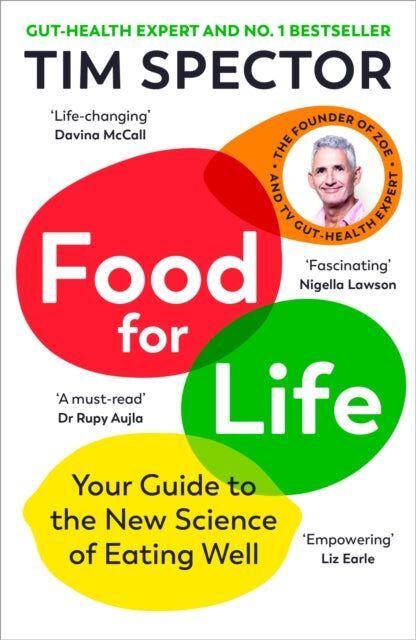
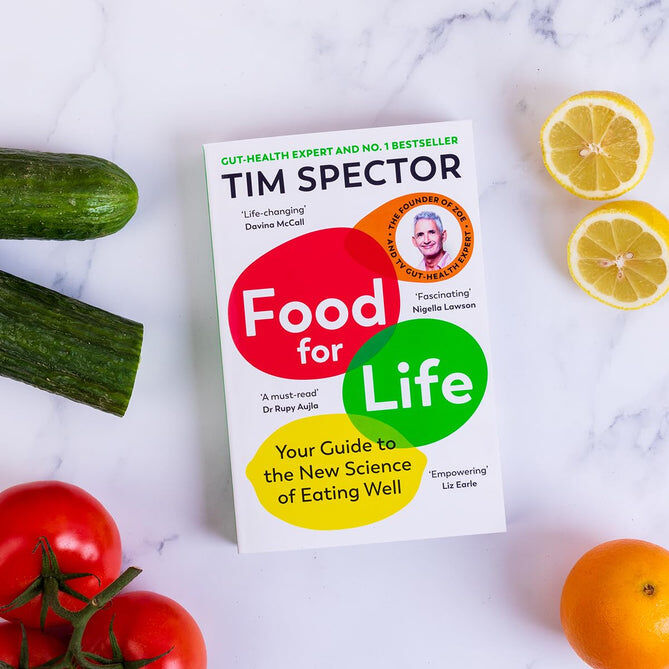
Vintage Food for Life: The New Science of Eating Well by Tim Spector - Paperback Nutrition & Gut Health Guide for AdultsFood for Life: The New Science of Eating Well is Tim Spector's comprehensive guide to modern nutrition. Drawing on his pioneering work in epidemiology and gut microbiome research, Spector helps readers understand ultra-processed foods, personalised nutrition, and how simple, evidence-based changes can transform long-term health, energy, and wellbeing. In this book, Professor Tim Spector distils years of cutting-edge nutritional science into practical, accessible guidance for everyday eating, challenging outdated nutritional myths and explaining why calorie counting is often misleading. This paperback edition is published by Vintage and features an ISBN of 9781529919660.10,99 £*Shipping: 2,99 £Secure redirect to the provider
-
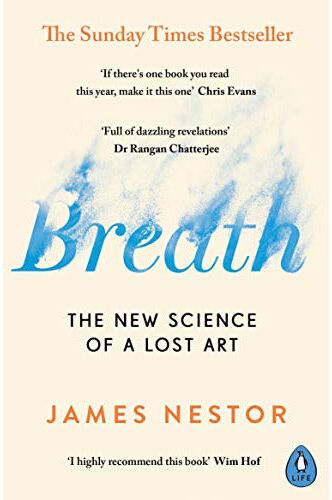
Penguin Breath: The New Science of a Lost ArtTHE PHENOMENAL INTERNATIONAL BESTSELLER - OVER A MILLION COPIES SOLD WORLDWIDESHORTLISTED FOR THE ROYAL SOCIETY BOOK PRIZE'Who would have thought something as simple as changing the way we breathe could be so revolutionary for our health, from snoring to allergies to immunity? A fascinating book, full of dazzling revelations' Dr Rangan ChatterjeeThere is nothing more essential to our health and wellbeing than breathing: take air in, let it out, repeat 25,000 times a day. Yet, as a species, humans have lost the ability to breathe correctly, with grave consequences. In Breath, journalist James Nestor travels the world to discover the hidden science behind ancient breathing practices to figure out what went wrong and how to fix it. Modern research is showing us that making even slight adjustments to the way we inhale and exhale can: - jump-start athletic performance- rejuvenate internal organs- halt snoring, allergies, asthma and autoimmune disease, and even straighten scoliotic spinesNone of this should be possible, and yet it is. Drawing on thousands of years of ancient wisdom and cutting-edge studies in pulmonology, psychology, biochemistry and human physiology, Breath turns the conventional wisdom of what we thought we knew about our most basic biological function on its head. You will never breathe the same again.7,95 £*Shipping: 2,99 £Secure redirect to the provider
-
Dr. Stuart Farrimond & Rhiannon Lambert The Science of Cooking & The Science of Nutrition 2 Books Collection Set by Farrimond & Lambert - Non Fiction - HardbackThis two-book set by Dr. Stuart Farrimond and Rhiannon Lambert provides a comprehensive understanding of cooking and nutrition. The Science of Cooking explains everyday kitchen mysteries with clear explanations and proven techniques, while The Science of Nutrition removes the guesswork from dietary choices, covering topics such as gut bacteria, intermittent fasting, and plant-based diets. Together, these volumes create a practical system for eating smarter and cooking better. The set includes hardback books with ISBN 9786564392553, and is a brand new collection.23,99 £*Shipping: 2,99 £Secure redirect to the provider
-
Rupa Publications Wallace D. Wattles 2 Books Collection Set - The Science of Getting Rich & The Science of Being Great - Paperback Self-Help ClassicsThis two-book paperback set brings together Wallace D. Wattles' most enduring works: The Science of Getting Rich and The Science of Being Great. Written over a century ago, these titles distil practical principles for building wealth, sharpening mindset, and pursuing a purposeful life. Published in brand-new paperback editions, this collection is a compact entry point into New Thought philosophy for readers new to Wattles or building out a personal development library. The Science of Getting Rich is a guide to achieving financial and personal abundance through a specific, repeatable way of thinking and acting. The Science of Being Great offers insights on how to be your best self, with practical advice on personal growth and self-improvement. This collection is a great starting point for anyone looking to explore the principles of New Thought philosophy and personal development.8,99 £*Shipping: 2,99 £Secure redirect to the provider


-
What are the goals of science?
The goals of science are to understand the natural world, explain phenomena through evidence-based research, make predictions about future outcomes, and improve our quality of life through technological advancements. Science seeks to uncover the underlying principles that govern the universe and provide a deeper understanding of our surroundings. By following the scientific method, researchers aim to generate knowledge that is reliable, reproducible, and can be used to solve real-world problems. Ultimately, the goal of science is to expand our knowledge and contribute to the betterment of society. **
-
What is the opposite of science?
The opposite of science is often considered to be superstition or pseudoscience. Superstition relies on irrational beliefs and practices that are not based on evidence or scientific reasoning. Pseudoscience refers to claims, beliefs, or practices that are presented as scientific but lack empirical evidence, are not testable, or are not supported by the scientific community. Both superstition and pseudoscience are characterized by a lack of critical thinking, skepticism, and adherence to evidence-based reasoning, which are fundamental principles of science. **
-
What is the purpose of science?
The purpose of science is to systematically study and understand the natural world through observation, experimentation, and evidence-based reasoning. It seeks to explain the underlying principles and mechanisms that govern the universe and its phenomena. By doing so, science aims to improve our understanding of the world around us, solve practical problems, and ultimately enhance the quality of human life. Additionally, science also plays a crucial role in advancing technology, driving innovation, and informing public policy. **
-
What is the science of love?
The science of love, also known as "love science" or "the psychology of love," is a multidisciplinary field that seeks to understand the biological, psychological, and social aspects of romantic and interpersonal relationships. Researchers in this field study the physiological and neurological processes involved in falling in love, the psychological and emotional dynamics of romantic attachment, and the social and cultural influences on romantic relationships. This field also explores the impact of love on mental and physical health, as well as the factors that contribute to successful and fulfilling relationships. Overall, the science of love seeks to provide a deeper understanding of the complex and multifaceted nature of love and relationships. **

What is the science of microwave?
The science of microwaves involves the study of electromagnetic waves with wavelengths ranging from one millimeter to one meter. Microwaves are a form of non-ionizing radiation and are commonly used in microwave ovens for cooking food. The waves cause water, fat, and sugar molecules in the food to vibrate, generating heat and cooking the food. Additionally, microwaves are also used in communication technology, radar systems, and medical treatments such as diathermy and microwave ablation. **
What is the difference between the study programs of educational science and educational science?
Educational science is the study of the principles and theories of education, focusing on understanding how people learn and the best practices for teaching and instruction. On the other hand, educational science is the study of the educational system as a whole, including its policies, structures, and practices. While educational science focuses on the psychological and pedagogical aspects of education, educational science takes a broader approach, examining the social, political, and organizational factors that influence education. Both fields are important for understanding and improving education, but they have different areas of focus and perspectives. **
Top-Angebote
Products related to The-Science-of-Food:
-
The Science of Food: The Science of Cooking & The Science of Nutrition 2 Books Collection Set by Farrimond & Lambert - DK Hardback - Evidence-Based Kitchen & Nutrition GuideTitles in This Set: The Science of Cooking The Science of Nutrition Condition: New Format: Hardback ISBN (The Science of Cooking): 9780241229781 ISBN (The Science of Nutrition): 9780241506462 Publisher: DK Age Range: Adult / General Readership Overview: This two-book set from DK's Science of Food series removes the guesswork from eating well. The Science of Cooking, by food scientist Dr Stuart Farrimond, explains the chemistry behind kitchen techniques, while The Science of Nutrition, by nutritionist Rhiannon Lambert, unpacks what happens inside your body when you eat. Together they form a practical, evidence-based reference for cooking confidently and eating with understanding, free from fad diet claims. About the Books: The Science of Cooking answers the questions home cooks ask most: why does meat turn tough, how do you get a perfect sear, why do eggs curdle, and how does heat change the structure of vegetables, grains and dairy? Dr Farrimond organises the book by ingredient and technique, pairing explanations with step-by-step visuals so food science becomes a useful kitchen skill, consulted the way you would a recipe book. The Science of Nutrition takes the same evidence-first approach to diet and health. Rhiannon Lambert, a leading UK registered nutritionist, examines popular eating patterns such as plant-based diets, low-carb approaches and intermittent fasting, explaining what current research actually says about each. The book covers macronutrients, the gut microbiome, supplements, and how needs shift across life stages, translating clinical research into practical guidance rather than restrictive rules. Both titles use DK's signature infographic style, with clear diagrams making dense science easy to absorb. Together they bridge the gap between what you put in the pan and what happens once you eat it. Written by a recognised food scientist and a registered nutritionist Covers cooking technique and dietary science in one complementary set Clear, DK-style infographics make complex science easy to understand Evidence-based content, free from fad-diet claims Durable hardback format, ideal for regular kitchen reference A thoughtful gift for food lovers, cooks and health-conscious readers About the Authors: Dr Stuart Farrimond is a science and medical writer, broadcaster and founder of food-science website Guru Magazine, known for translating culinary chemistry into accessible guidance for home cooks. Rhiannon Lambert is one of the UK's leading registered nutritionists, founder of Rhitrition clinic, a Sunday Times bestselling author, and a trusted media voice on diet and wellbeing. Both authors specialise in making complex research genuinely useful for everyday readers. Why You'll Love This Collection: This pairing turns ordinary cooking and eating habits into informed choices, backed by real research rather than trends. It is a lasting kitchen reference and a brilliant gift for anyone who loves food, science or healthy living. Please Note:...23,99 £*Shipping: 2,99 £Secure redirect to the provider
-
Jonathan Cape Food for Life by Tim Spector The New Science of Eating Well, by the #1 bestselling author of SPOON-FED**AS HEARD ON BBC RADIO FOUR** Food is our greatest ally for good health, but the question of what to eat has never seemed so complicated. Bestselling author and top 100 most-cited scientist Tim Spector has the answers in this definitive, easy-to-follow guide to the new science of eating well. Tim Spector has pioneered a new approach to nutrition, encouraging us to forget misleading calorie counts and nutritional breakdowns. In Food for Life he draws on over a decade of cutting-edge scientific research, along with his own personal insights, to deliver a new and comprehensive approach to what we should all know about food today. Investigating everything from environmental impact and food fraud to allergies and deceptive labelling, Spector also shows us the many wondrous and surprising properties of everyday foods, which scientists are only just beginning to understand. Empowering and practical, Food for Life is nothing less than a new approach to how to eat - for our health and the health of the planet. ** A THE TIMES and SUNDAY TIMES BOOK OF THE YEAR** 'A rigorously academic book that welcomes the layperson with open arms.' The Times9,94 £*Shipping: 2,99 £Secure redirect to the provider
-
Vintage Food for Life: The New Science of Eating Well by Tim Spector - Paperback Nutrition & Gut Health Guide for AdultsFood for Life: The New Science of Eating Well is Tim Spector's comprehensive guide to modern nutrition. Drawing on his pioneering work in epidemiology and gut microbiome research, Spector helps readers understand ultra-processed foods, personalised nutrition, and how simple, evidence-based changes can transform long-term health, energy, and wellbeing. In this book, Professor Tim Spector distils years of cutting-edge nutritional science into practical, accessible guidance for everyday eating, challenging outdated nutritional myths and explaining why calorie counting is often misleading. This paperback edition is published by Vintage and features an ISBN of 9781529919660.10,99 £*Shipping: 2,99 £Secure redirect to the provider
-
Penguin Breath: The New Science of a Lost ArtTHE PHENOMENAL INTERNATIONAL BESTSELLER - OVER A MILLION COPIES SOLD WORLDWIDESHORTLISTED FOR THE ROYAL SOCIETY BOOK PRIZE'Who would have thought something as simple as changing the way we breathe could be so revolutionary for our health, from snoring to allergies to immunity? A fascinating book, full of dazzling revelations' Dr Rangan ChatterjeeThere is nothing more essential to our health and wellbeing than breathing: take air in, let it out, repeat 25,000 times a day. Yet, as a species, humans have lost the ability to breathe correctly, with grave consequences. In Breath, journalist James Nestor travels the world to discover the hidden science behind ancient breathing practices to figure out what went wrong and how to fix it. Modern research is showing us that making even slight adjustments to the way we inhale and exhale can: - jump-start athletic performance- rejuvenate internal organs- halt snoring, allergies, asthma and autoimmune disease, and even straighten scoliotic spinesNone of this should be possible, and yet it is. Drawing on thousands of years of ancient wisdom and cutting-edge studies in pulmonology, psychology, biochemistry and human physiology, Breath turns the conventional wisdom of what we thought we knew about our most basic biological function on its head. You will never breathe the same again.7,95 £*Shipping: 2,99 £Secure redirect to the provider
-
Why are only food items part of the equipment of the Land of Cockaigne?
In the medieval satire of the Land of Cockaigne, food items are part of the equipment because they symbolize the indulgent and gluttonous nature of the imaginary land. The abundance of food represents the idea of excess and laziness, as the inhabitants of Cockaigne are depicted as being able to simply pluck roasted birds and pastries from trees without any effort. By focusing on food as the equipment of the land, the satire highlights the absurdity of a society built on overindulgence and idleness. **
-
What are the limits of science?
Science has its limitations in that it cannot provide answers to questions that fall outside the realm of empirical observation and experimentation. It also cannot address questions related to morality, ethics, or subjective experiences. Additionally, science is limited by the current state of technology and knowledge, meaning that some phenomena may be beyond our current understanding. Despite these limitations, science remains a powerful tool for understanding the natural world and advancing human knowledge. **
-
What are the goals of science?
The goals of science are to understand the natural world, explain phenomena through evidence-based research, make predictions about future outcomes, and improve our quality of life through technological advancements. Science seeks to uncover the underlying principles that govern the universe and provide a deeper understanding of our surroundings. By following the scientific method, researchers aim to generate knowledge that is reliable, reproducible, and can be used to solve real-world problems. Ultimately, the goal of science is to expand our knowledge and contribute to the betterment of society. **
-
What is the opposite of science?
The opposite of science is often considered to be superstition or pseudoscience. Superstition relies on irrational beliefs and practices that are not based on evidence or scientific reasoning. Pseudoscience refers to claims, beliefs, or practices that are presented as scientific but lack empirical evidence, are not testable, or are not supported by the scientific community. Both superstition and pseudoscience are characterized by a lack of critical thinking, skepticism, and adherence to evidence-based reasoning, which are fundamental principles of science. **
Similar search terms for The-Science-of-Food
-
Dr. Stuart Farrimond & Rhiannon Lambert The Science of Cooking & The Science of Nutrition 2 Books Collection Set by Farrimond & Lambert - Non Fiction - HardbackThis two-book set by Dr. Stuart Farrimond and Rhiannon Lambert provides a comprehensive understanding of cooking and nutrition. The Science of Cooking explains everyday kitchen mysteries with clear explanations and proven techniques, while The Science of Nutrition removes the guesswork from dietary choices, covering topics such as gut bacteria, intermittent fasting, and plant-based diets. Together, these volumes create a practical system for eating smarter and cooking better. The set includes hardback books with ISBN 9786564392553, and is a brand new collection.23,99 £*Shipping: 2,99 £Secure redirect to the provider
-
Rupa Publications Wallace D. Wattles 2 Books Collection Set - The Science of Getting Rich & The Science of Being Great - Paperback Self-Help ClassicsThis two-book paperback set brings together Wallace D. Wattles' most enduring works: The Science of Getting Rich and The Science of Being Great. Written over a century ago, these titles distil practical principles for building wealth, sharpening mindset, and pursuing a purposeful life. Published in brand-new paperback editions, this collection is a compact entry point into New Thought philosophy for readers new to Wattles or building out a personal development library. The Science of Getting Rich is a guide to achieving financial and personal abundance through a specific, repeatable way of thinking and acting. The Science of Being Great offers insights on how to be your best self, with practical advice on personal growth and self-improvement. This collection is a great starting point for anyone looking to explore the principles of New Thought philosophy and personal development.8,99 £*Shipping: 2,99 £Secure redirect to the provider
-
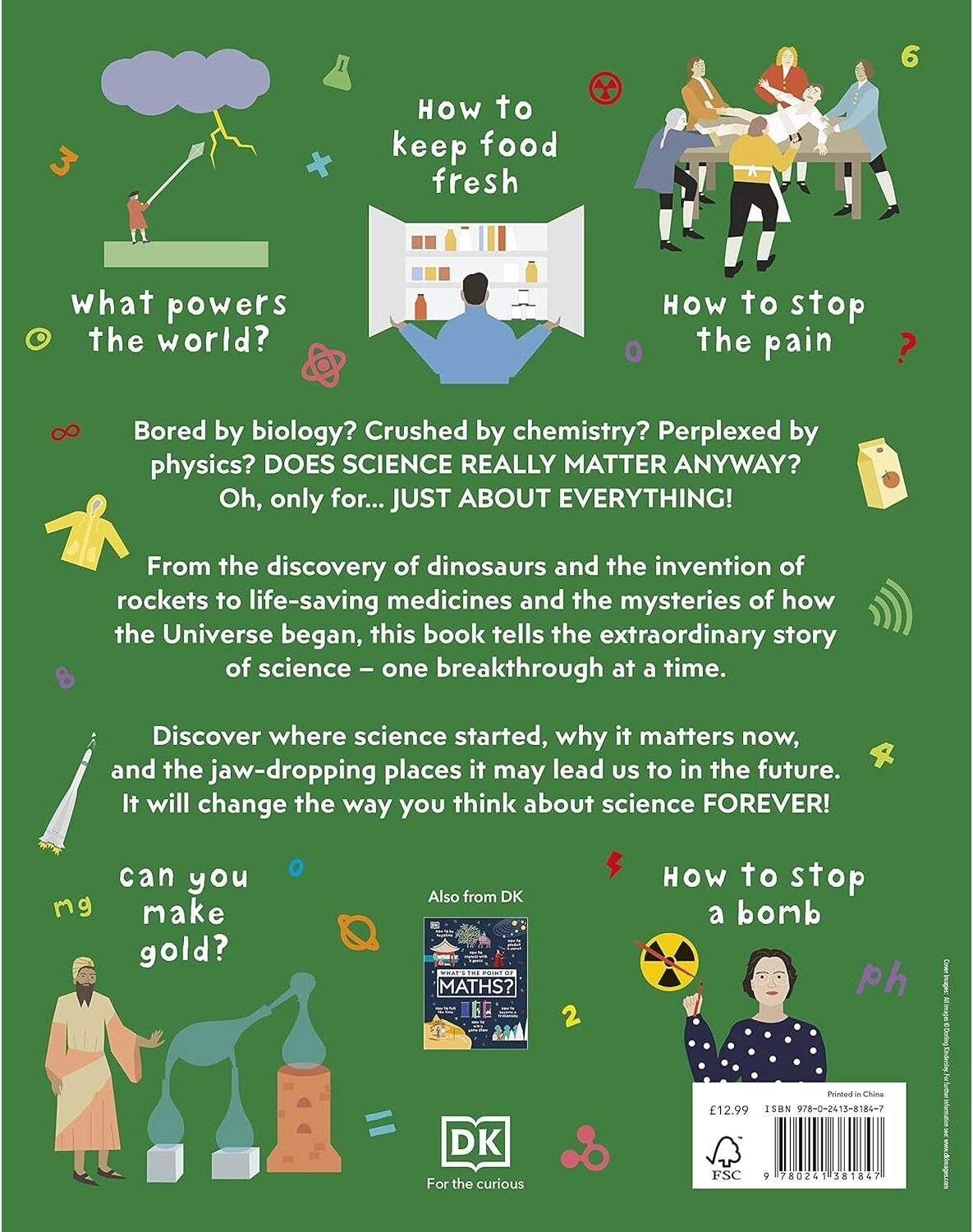
DK Children What's the Point of Science? by DK 9780241381847Bored of biology? Crushed by chemistry? Perplexed by physics? DOES SCIENCE REALLY MATTER ANYWAY? Oh, only for... JUST ABOUT EVERYTHING!From how to stop a virus to defy gravity, and from how to predict the future to how to see the past, this book shows you where science started, why it matters now, and the jaw-dropping places it may lead us to in the future. It will change the way you think about science FOREVER! Beautiful hand-drawn illustrations show you how history's most ingenious and daring scientists solved mysteries that had puzzled the ancient world for millennia, triggering an age of discovery that gave us telescopes, flying machines, steam engines, antibiotics, electricity, radio, space travel, and computers. Discover the amazing men and women who challenged conventional thinking and put their lives at risk to learn about everything, from planetary orbits and gold to germs, and from gunpowder to radioactivity. What's the Point of Science? explains in super-simple terms how science really works and why it changed the world. It's packed with surprising facts, tales of ingenuity and endeavour, and beautiful, unique illustrations. This book is about how scientists changed the world, one breakthrough at a time, and it is guaranteed to inspire, surprise, amuse, and entertain everybody who picks it up.9,99 £*Shipping: 2,99 £Secure redirect to the provider
-
The Tree Book: The Stories, Science, and History of Trees by DKBring trees to life like you've never seen before as The Tree Book invites you on an enchanting and illustrated journey into the astonishingly diverse growth of woodland wildlife in the world around us. Trees have been a part of human history from the very beginning. Used for shelter, tools, fuel, and food, they also help supply the atmosphere with oxygen and form astonishingly diverse ecosystems, as well as some of the world's most beautiful landscapes. Now the intricate world of leafy woodlands and abundant rainforests is revealed in this extensive visual guide to trees, exploring their key scientific traits and their ecological importance, as well as their enduring significance in human history and culture. From ancient oaks and great redwoods to lush banyans and imposing kapoks, The Tree Book reveals the anatomy, behaviours, and beauty of these incredible plants and habitats in detail. A must-have volume for budding botanists, this divine nature book showcases the rich diversity of trees, combining bewildering facts about spindles, spruces and more, with dazzling landscape photography of the endless species of trees found in forests and woodland all around the globe. Explore this fascinating book on trees to discover:-A historical overview of the cultural influence of trees and their ecological importance-Striking photography to accompany the profound explanations of tree biology and behaviour-A clear and comprehensible guide to ecology from both a historical and scientific point of view. With recent media coverage on climate change highlighting the global importance of our woodlands and rainforests, there's no better time than right now to immerse yourself in this extensive horticultural handbook for an illuminating blend of the science, culture, and history of trees dating back to the beginning of time. Let DK plant the seed of curiosity with this fantastic forest book, and watch as it blossoms into a life-long love of ecology, proving the ideal gift for naturalists or those with a soft-spot for nature photography. Combining natural history and a scientific overview with a wider look at the history, uses, symbolism, and mythology of trees, this book is a new kind of guide to these fascinating organisms16,99 £*Shipping: 2,99 £Secure redirect to the provider
-
What is the purpose of science?
The purpose of science is to systematically study and understand the natural world through observation, experimentation, and evidence-based reasoning. It seeks to explain the underlying principles and mechanisms that govern the universe and its phenomena. By doing so, science aims to improve our understanding of the world around us, solve practical problems, and ultimately enhance the quality of human life. Additionally, science also plays a crucial role in advancing technology, driving innovation, and informing public policy. **
-
What is the science of love?
The science of love, also known as "love science" or "the psychology of love," is a multidisciplinary field that seeks to understand the biological, psychological, and social aspects of romantic and interpersonal relationships. Researchers in this field study the physiological and neurological processes involved in falling in love, the psychological and emotional dynamics of romantic attachment, and the social and cultural influences on romantic relationships. This field also explores the impact of love on mental and physical health, as well as the factors that contribute to successful and fulfilling relationships. Overall, the science of love seeks to provide a deeper understanding of the complex and multifaceted nature of love and relationships. **
-
What is the science of microwave?
The science of microwaves involves the study of electromagnetic waves with wavelengths ranging from one millimeter to one meter. Microwaves are a form of non-ionizing radiation and are commonly used in microwave ovens for cooking food. The waves cause water, fat, and sugar molecules in the food to vibrate, generating heat and cooking the food. Additionally, microwaves are also used in communication technology, radar systems, and medical treatments such as diathermy and microwave ablation. **
-
What is the difference between the study programs of educational science and educational science?
Educational science is the study of the principles and theories of education, focusing on understanding how people learn and the best practices for teaching and instruction. On the other hand, educational science is the study of the educational system as a whole, including its policies, structures, and practices. While educational science focuses on the psychological and pedagogical aspects of education, educational science takes a broader approach, examining the social, political, and organizational factors that influence education. Both fields are important for understanding and improving education, but they have different areas of focus and perspectives. **
* All prices are inclusive of VAT and, if applicable, plus shipping costs. The offer information is based on the details provided by the respective shop and is updated through automated processes. Real-time updates do not occur, so deviations can occur in individual cases. ** Note: Parts of this content were created by AI.